


Therapeutic area
Cardiology
How can we help?
16M+
patients with cardiovascular disease
4.6B+
clinical notes
10.8B+
lab results
3.4M+
echocardiogram reports with 69M+ echo-derived measurements
9M+
patients with implanted / explanted devices, including stents and valves
700K+
Research cardiovascular disease with unmatched depth
Go beyond diagnoses and billing codes with clinically rich cardiovascular data, including:
Cardiac function and disease severity
- Echocardiogram measurements, including left ventricular ejection fraction (LVEF) and tricuspid annular plane systolic excursion (TAPSE)
- Symptom burden and functional status, including New York Heart Association (NYHA) class
- Cardiomyopathy subtypes and disease classification
- Stenosis, occlusion, calcification, site, and vascular disease burden
Devices and procedure
- Inpatient and outpatient interventions, including ablation and coronary revascularization procedures
- Device type, manufacturer, and version
- Procedural and surgical logs with minute-level timestamps
- Intraoperative, peri-procedural, and post-procedural complications
Social, behavioral, and familial risk factors
- Social determinants of health (SDOH)
- Behavioral and lifestyle factors
- Family history and inherited cardiovascular risk

Cardiac function and disease severity

Devices and procedure

Social, behavioral, and familial risk factors
Structure, symptoms, and disease burden

Interventions and outcomes
Risk and patient background
Unlock novel variables from notes
Truveta brings extraordinary clinical depth to cardiovascular research, capturing regulatory-grade variables from clinical notes—including disease severity, cardiac function, device and procedural details, labs, and vitals.
Integrated with structured EHR data and timestamped to the minute, these research-ready variables enable the study of complex cardiovascular conditions with precision, including rare and low-prevalence diseases.
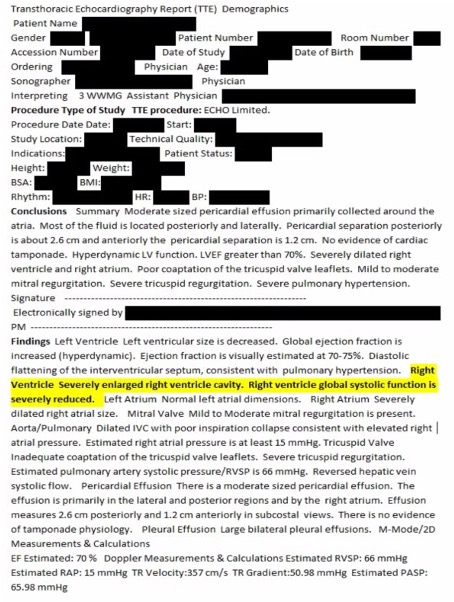
Identify patients with right ventricular dysfunction and pulmonary hypertension by extracting echocardiogram-derived measures (e.g., LVEF, chamber size, pressure estimates) and clinician interpretation—not just structured fields or procedure codes.
Visualize the complete patient journey
Connect rich clinical context with imaging and waveform data, searchable by modality and protocol—including DICOM images with pixel and metadata—across the complete patient journey. Enable deeper analysis of cardiac function, rhythm, procedures, and care events in a single, longitudinal view.
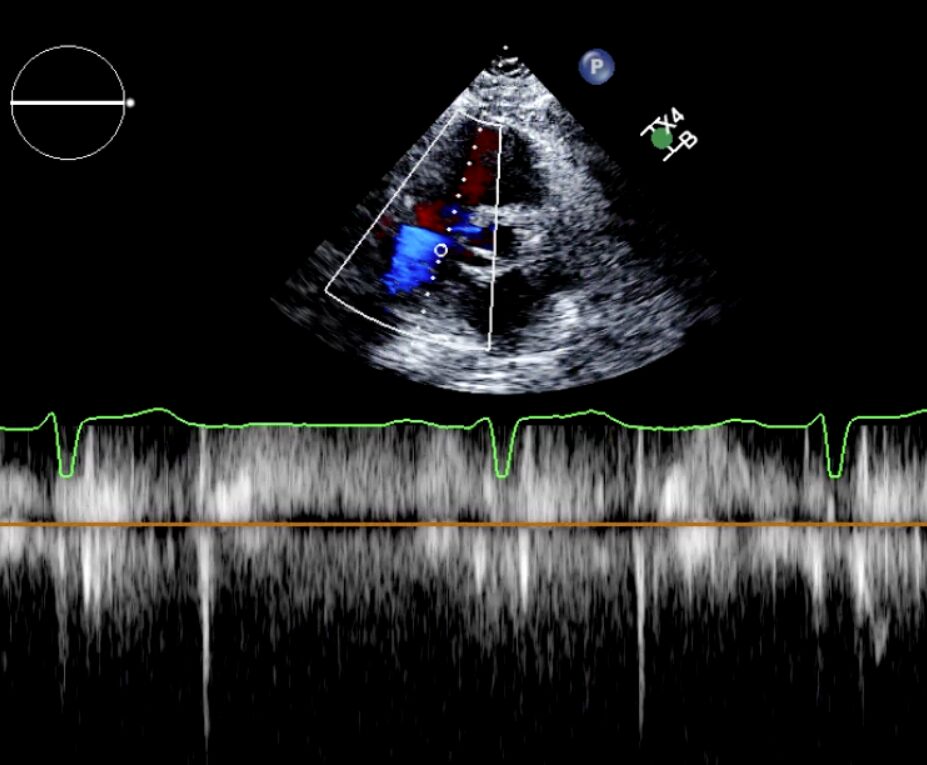
Echocardiogram studies and other imaging data and waveforms, such as ECGs, are available to evaluate disease progression, build AI models, and adjudicate outcomes.
Echocardiogram studies and other imaging data and waveforms, such as ECGs, are available to evaluate disease progression, build AI models, and adjudicate outcomes
Accelerate insights to real-world impact
AI training
Clinical trials
Shorten development timelines by identifying eligible patients with cardiovascular disease faster with precise cohorts for site selection
Therapy adoption
Empower your field teams with more timely intelligence and differentiated evidence while tracking device utilization, revascularization strategies, and variation in care with daily updates
Safety
Detect cardiovascular complications and device risks earlier with longitudinal clinical and device data
Outcomes research
Replace costly phase IV trials with regulatory-grade confirmatory evidence and explore label expansion opportunities