


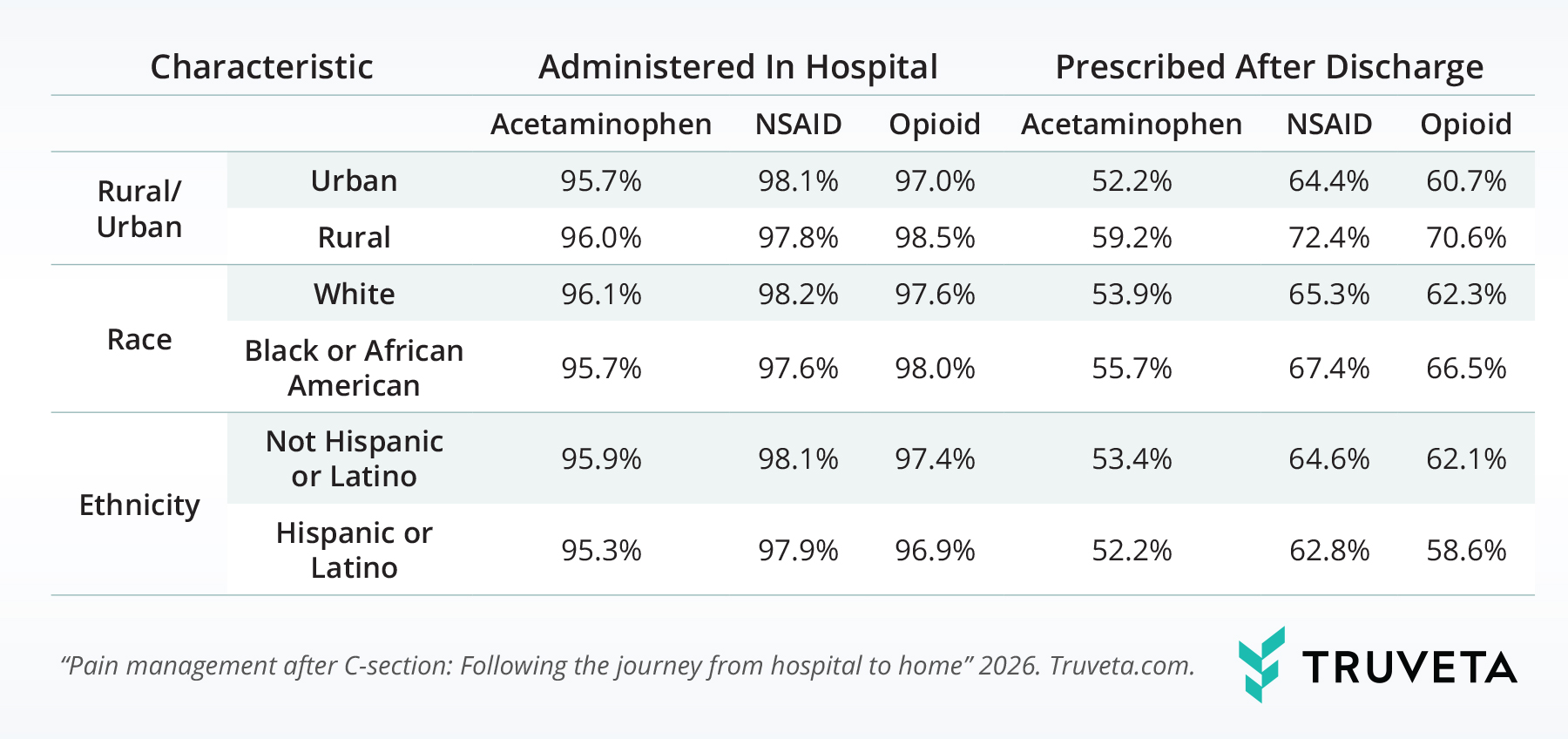
- Pain medication use was nearly universal in the hospital, with more than 9 in 10 C-sections including acetaminophen, an NSAID, and an opioid. After discharge, NSAIDs and opioids were prescribed after about 6 in 10 C-sections and acetaminophen after about half.
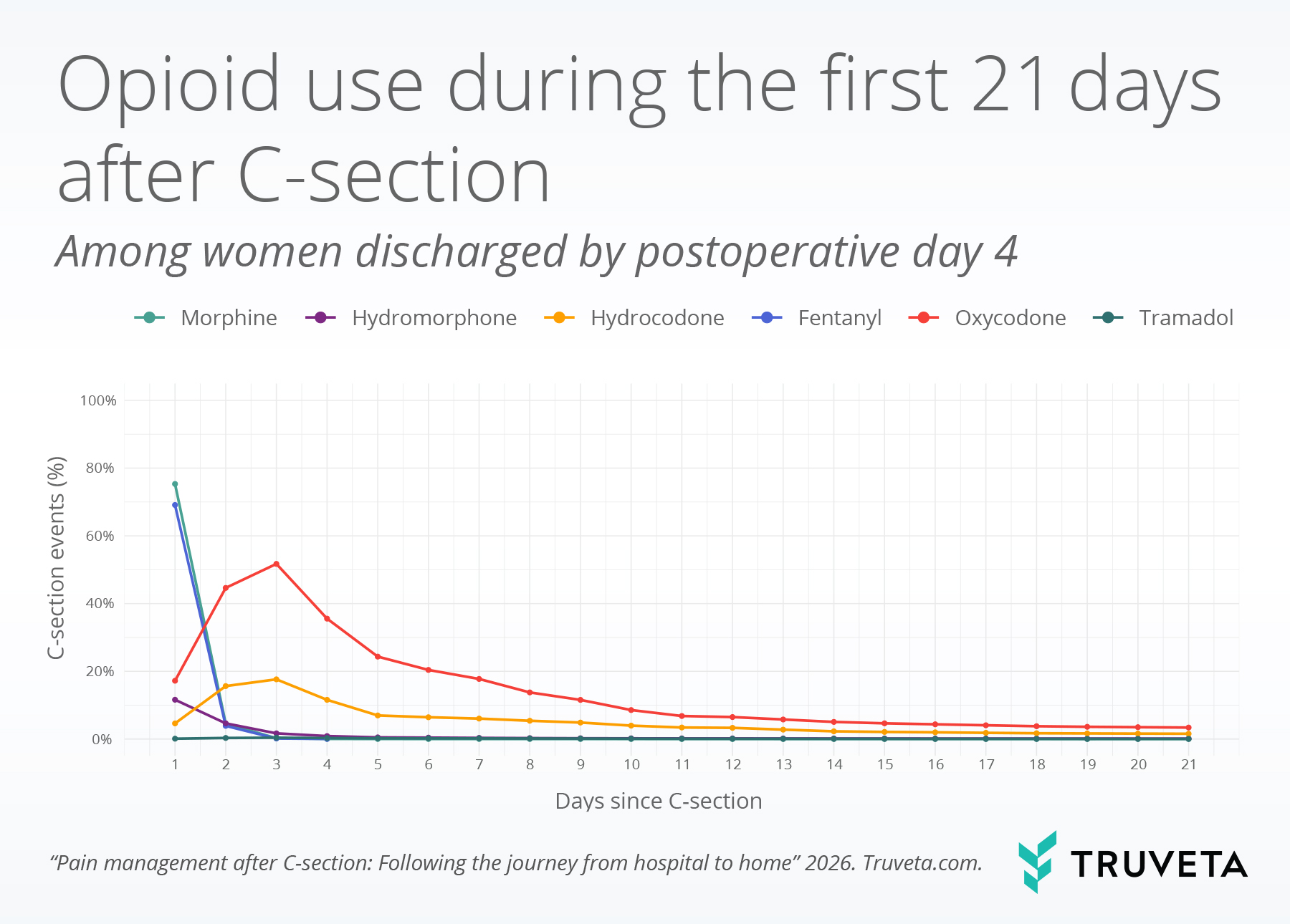
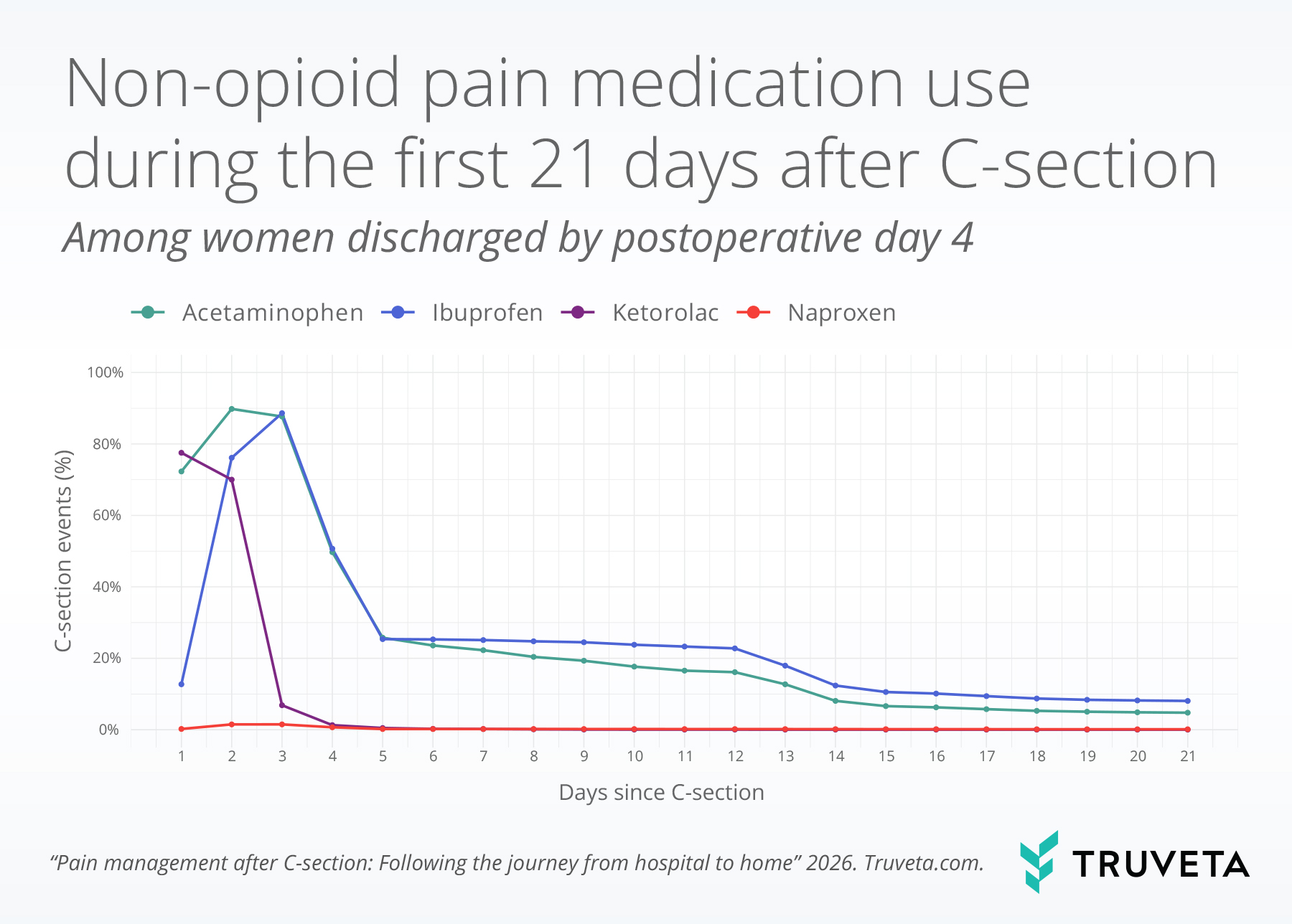
- The medications used changed from hospital to home: NSAID use shifted from ketorolac (Toradol) to ibuprofen, while opioid use shifted from morphine and fentanyl to oxycodone.
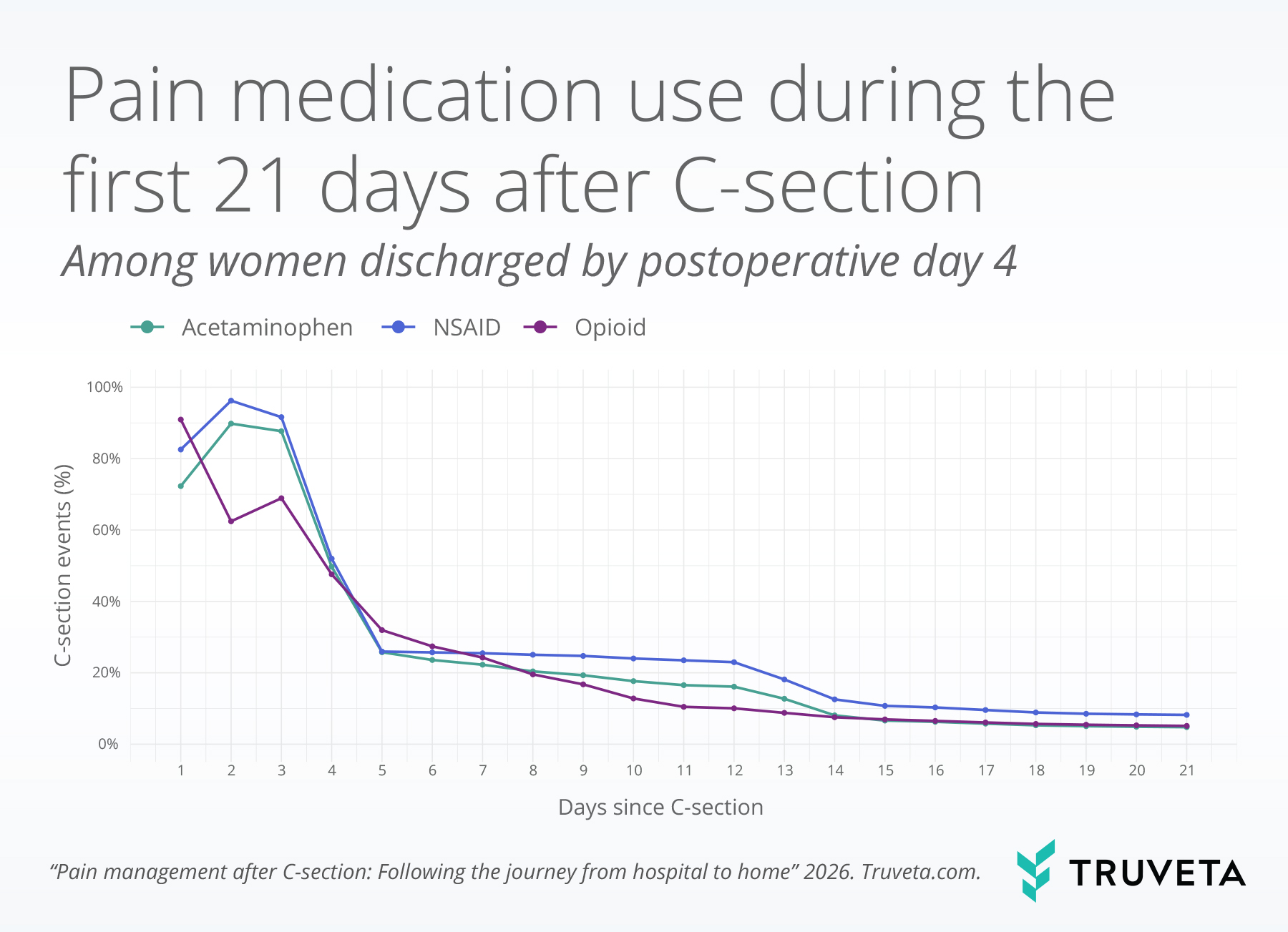
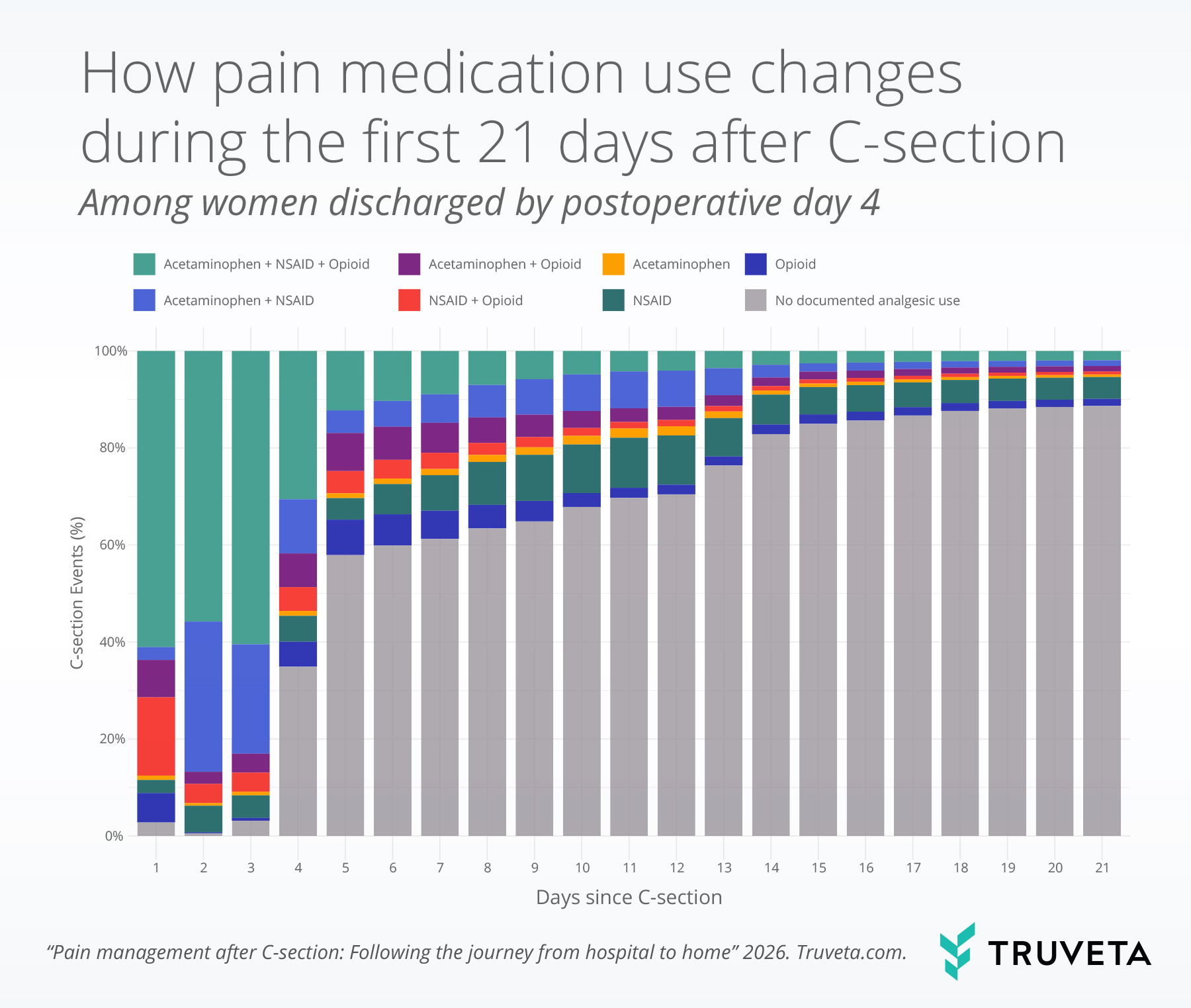
- Pain medication use dropped quickly during recovery. By day 7, more than 6 in 10 C-section events had no documented pain medication use.
- Hospital pain medication use was consistent across groups, but prescribing varied more after discharge. For every 100 women, about 10 more women living in rural areas received an opioid prescription than women living in urban areas.
About one in three births in the United States is delivered by C-section, making effective pain management an important part of recovery for many new mothers (1). Pain control after a C-section has some unique considerations: medications need to provide enough relief for a new mother to move around comfortably, care for and bond with her baby, and have the option to breastfeed safely (2).
Today, pain after a C-section is generally managed using a multimodal approach, meaning several types of pain medications are used together rather than relying heavily on any one medication.
A typical strategy combines acetaminophen (Tylenol), a nonsteroidal anti-inflammatory drug (NSAID) such as ibuprofen, and a long-acting neuraxial opioid, meaning an opioid given near the spinal cord during spinal or epidural anesthesia (3–4).
This approach reduces the need for systemic opioids, such as oxycodone or opioids given intravenously (IV), which circulate throughout the body and are generally reserved for additional or breakthrough pain (5–6). Because systemic opioids can expose a breastfeeding infant to opioids through breast milk and cause constipation in mothers, minimizing their use when possible is an important goal after C-section (7–9).
The medications used in this approach can change as patients move from surgery through recovery:
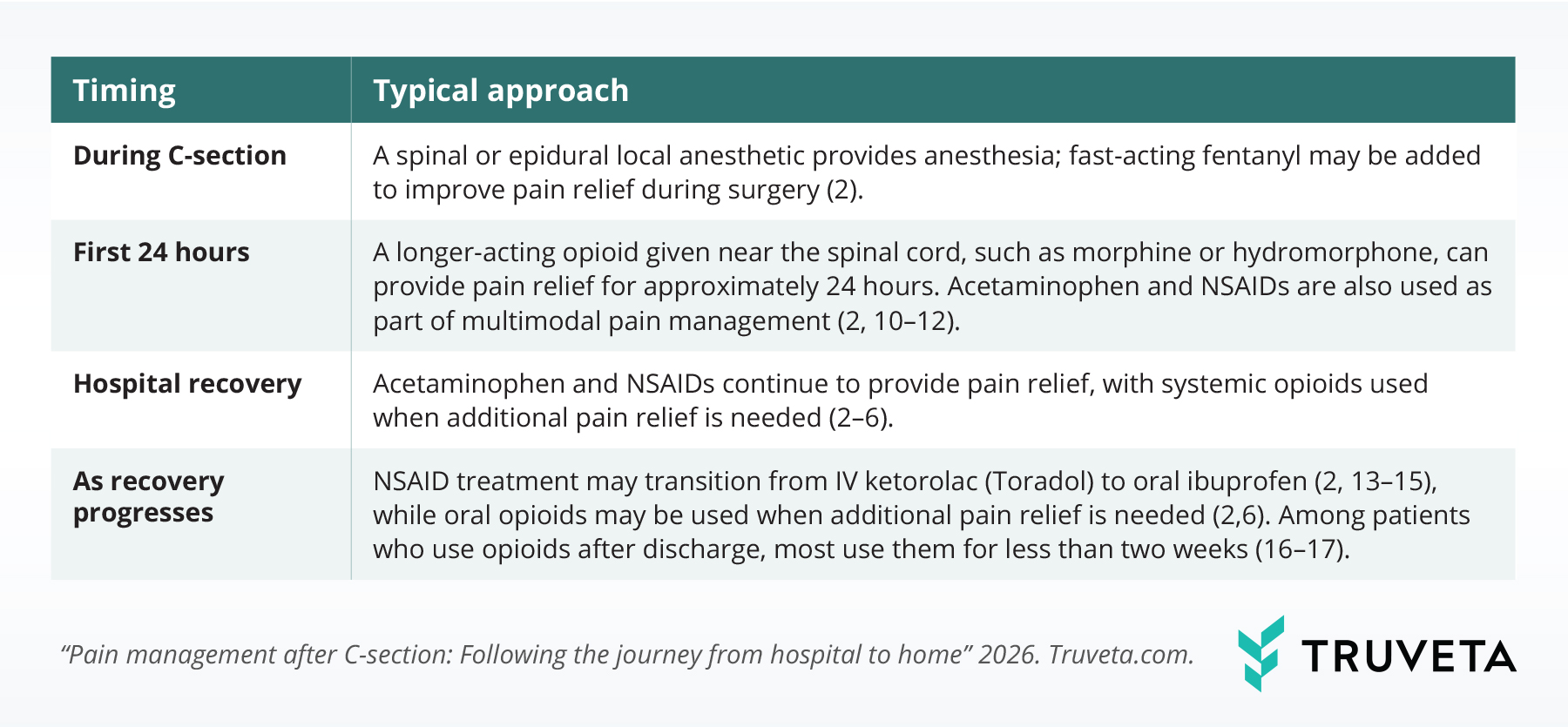
Although the medications recommended and used after C-section are well established, less is known about how these recommendations translate into real-world care as patients move from the procedure, through their hospital stay, and into recovery at home. Using Truveta Data, we examined pain management among women who underwent a C-section between January 2018 and July 2026 and how the use of specific medications changed over time.
Methods
We used a subset of Truveta Data to identify women who underwent a C-section between January 2018 and July 2026. The analysis was limited to C-section hospitalizations lasting 14 days or less and with at least one documented medication administration during the hospitalization. To focus on routine recovery after C-section, we excluded C-sections followed by a re-hospitalization within 21 days and C-sections among patients with documented opioid use during the 14 days before hospitalization.
Pain medication use
We evaluated three major groups of pain medications: acetaminophen (Tylenol), NSAIDs, and opioids. NSAIDs included ibuprofen, ketorolac (Toradol), and naproxen. Opioids included fentanyl, morphine, hydromorphone, oxycodone, hydrocodone, and tramadol. During hospitalization, we examined medications administered during the C-section hospital stay. Beginning at discharge, we examined oral medication prescriptions.
We then examined how medication use changed over the 21 days following C-section. For this daily analysis, we used documented medication duration when available. Duration was often unavailable for medications administered during and immediately after C-section, but among records with a documented duration, about 90% or more of each medication examined had a duration of one day or less. Based on this pattern, when duration was missing, we counted the medication only on the day it was administered. Oral prescriptions more commonly covered multiple days, so only prescriptions with a documented duration were included in the daily analysis.
Analyses
We examined medication use during hospitalization, after discharge, and over the 21-day recovery period. To further focus on routine recovery, daily and subgroup analyses were limited to C-section events with discharge by postoperative day 4, representing 88.7% of the study cohort. Subgroup analyses compared medication use by rural versus urban residence, Black versus White race, and Hispanic versus non-Hispanic ethnicity.
Results
Population characteristics
This study included 543,324 C-section events among 479,983 women. The average age at the time of C-section was 31 years, and the median hospital stay was 4 days. Among those with available race and ethnicity information, 62.8% were White, 19.0% were Black or African American, and 20.5% were Hispanic or Latino. Most women with available geographic information lived in urban areas (87.1%).
Pain medication use
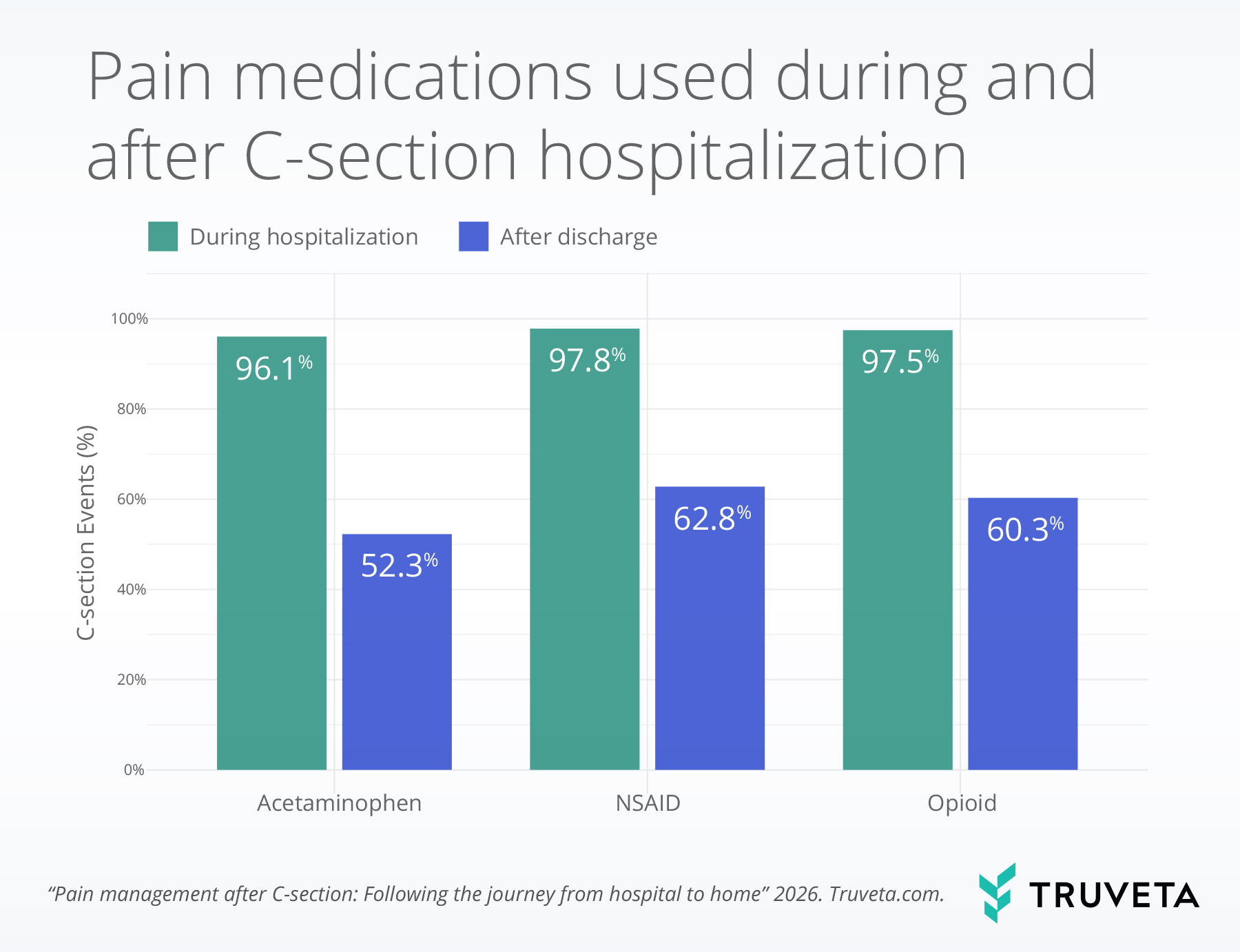
During hospitalization, more than 9 in 10 C-section events had documented use of each of the three major pain medication groups: NSAIDs (97.8%), opioids (97.5%), and acetaminophen (96.1%). After discharge, prescriptions were less common, with NSAIDs (62.8%) and opioids (60.3%) prescribed after about 6 in 10 C-sections and acetaminophen (52.3%) after about half.
Pain medication use during hospitalization and after discharge
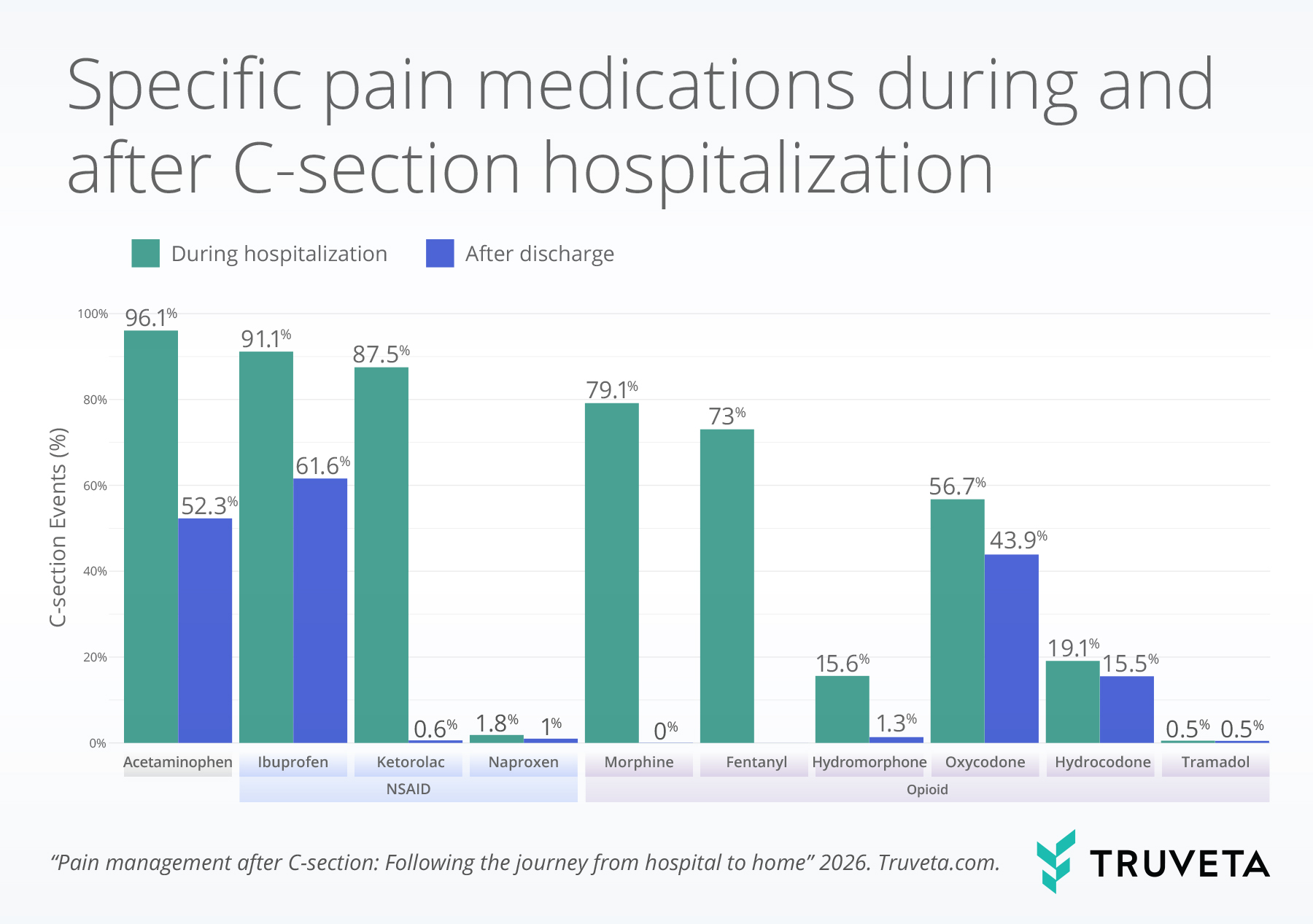
The specific NSAIDs and opioids used also changed from the hospital to home. During hospitalization, ketorolac (87.5%) and ibuprofen (91.1%) were commonly administered. Morphine (79.1%) and fentanyl (73.0%) were the most commonly administered opioids, followed by oxycodone (56.7%). After discharge, ibuprofen remained the most common NSAID prescription (61.6%), while oxycodone became the most common opioid prescription (43.9%), followed by hydrocodone (15.5%). Other individual medications were prescribed much less often after discharge.
The specific medications used also changed rapidly during early recovery. Morphine and fentanyl predominated among opioids on day 1 but were rarely documented by day 3, as oxycodone and hydrocodone became more commonly documented. Among NSAIDs, ketorolac was common on days 1 and 2 but declined sharply by day 3, while ibuprofen became the predominant NSAID.
Discussion
In this study of more than 540,000 C-section events, we found that using several types of pain medication together was common during C-section hospitalization. More than 9 in 10 C-section events had documented use of each of the three major pain medication groups—acetaminophen, an NSAID, and an opioid.
This pattern generally follows recommendations to use a combination of pain medications after C-section, helping provide pain relief while limiting the need for opioids when possible (2–6).
For our daily analysis, we focused on women who left the hospital by four days after their C-section, representing 88.7% of the study cohort. Four days is also an important point in the transition from hospital to home: federal protections generally prevent applicable health plans from restricting coverage for a hospital stay after C-section to less than 96 hours (four days) (18).
Around this time, we observed a sharp decline in documented pain medication use, coinciding with the transition from medications administered in the hospital to oral prescriptions after discharge.
Notably, this decline occurred during a period when pain would still be expected for many patients. Pain is typically strongest during the first week after C-section, improves during the second week, and becomes less frequent over the following weeks (19). By day 7, more than 6 in 10 C-section events had no documented pain medication use.
However, recovery varies from person to person, and medication use does not necessarily reflect the amount of pain a patient is experiencing. Additionally, use of over-the-counter medications such as Tylenol and ibuprofen after discharge was not captured in this analysis.
The specific medications used also changed as patients moved from surgery to recovery at home. NSAID use shifted quickly from ketorolac to ibuprofen, while morphine and fentanyl largely disappeared after the first day as oxycodone became more common. This pattern reflects recommended approaches to C-section recovery, which transition from medications used during and immediately after surgery toward oral medications that can be used as patients recover and prepare to return home (2, 6, 13–15).
We also found differences in pain medication prescribing after discharge between women living in rural and urban areas, with higher prescribing among rural women. Prior research has similarly found higher opioid prescribing rates in more rural U.S. counties and suggests that differences in healthcare resources and other characteristics of rural communities may contribute to these geographic patterns (20). Our analysis was descriptive and unadjusted, however, so we cannot determine what contributed to the rural and urban differences observed in our study.
This study has several limitations. Outpatient medication requests indicate prescribing rather than whether a prescription was filled or taken as directed. In addition, over-the-counter medications such as acetaminophen and NSAIDs may not be captured in prescription records and may therefore be underrepresented after discharge. Medication duration was frequently unavailable for medications administered during hospitalization; when duration was missing, we counted the medication only on the day it was administered, which may underestimate how long some medications were used or remained effective. Finally, differences between patient groups were descriptive and may reflect factors not evaluated in this analysis.
Despite these limitations, this large-scale study shows that pain management during C-section hospitalization largely reflects recommended approaches that use several types of pain medication together. Greater variation emerged in prescribing after discharge, highlighting the need to better understand differences in pain management as patients recover at home.
These are preliminary research findings and have not been peer reviewed. Data are constantly changing and updating. These findings are consistent with data accessed on August 14, 2026.
Citations
1. M. J. K. Osterman, B. E. Hamilton, J. A. Martin, A. K. Driscoll, C. P. Valenzuela, Births: Final data for 2024. Natl. Vital Stat. Rep. 75, 1–48 (2026).
2. B. Carvalho, C. D. Sutton, Post-cesarean delivery analgesia. In UpToDate, R. F. Connor, Ed. (Wolters Kluwer; accessed 28 August 2026).
3. B. Carvalho, A. S. Habib, Personalized analgesic management for cesarean delivery. Int. J. Obstet. Anesth. 40, 91–100 (2019).
4. L. Bollag, G. Lim, P. Sultan, et al., Society for Obstetric Anesthesia and Perinatology: Consensus statement and recommendations for enhanced recovery after cesarean. Anesth. Analg. 132, 1362–1377 (2021).
5. E. Holland, B. T. Bateman, N. Cole, et al., Evaluation of a quality improvement intervention that eliminated routine use of opioids after cesarean delivery. Obstet. Gynecol. 133, 91–97 (2019).
6. G. A. Macones, A. B. Caughey, S. L. Wood, et al., Guidelines for postoperative care in cesarean delivery: Enhanced Recovery After Surgery (ERAS) Society recommendations (part 3). Am. J. Obstet. Gynecol. 221, 247.e1–247.e9 (2019).
7. S. Reece-Stremtan, M. Campos, L. Kokajko, Academy of Breastfeeding Medicine, ABM Clinical Protocol #15: Analgesia and anesthesia for the breastfeeding mother, revised 2017. Breastfeed. Med. 12, 500–506 (2017).
8. E. Martin, B. Vickers, R. Landau, S. Reece-Stremtan, ABM Clinical Protocol #28: Peripartum analgesia and anesthesia for the breastfeeding mother. Breastfeed. Med. 13, 164–171 (2018).
9. American College of Obstetricians and Gynecologists, Pharmacologic stepwise multimodal approach for postpartum pain management. Obstet. Gynecol. 138, 507–517 (2021).
10. C. M. Palmer, S. Emerson, D. Volgoropolous, D. Alves, Dose-response relationship of intrathecal morphine for postcesarean analgesia. Anesthesiology 90, 437–444 (1999).
11. E. E. Sharpe, R. J. Molitor, K. W. Arendt, et al., Intrathecal morphine versus intrathecal hydromorphone for analgesia after cesarean delivery: A randomized clinical trial. Anesthesiology 132, 1382–1391 (2020).
12. P. Sultan, S. H. Halpern, E. Pushpanathan, et al., The effect of intrathecal morphine dose on outcomes after elective cesarean delivery: A meta-analysis. Anesth. Analg. 123, 154–164 (2016).
13. A. M. Zeng, N. F. Nami, C. L. Wu, J. D. Murphy, The analgesic efficacy of nonsteroidal anti-inflammatory agents (NSAIDs) in patients undergoing cesarean deliveries: A meta-analysis. Reg. Anesth. Pain Med. 41, 763–772 (2016).
14. M. Yurashevich, C. Pedro, M. Fuller, A. S. Habib, Intra-operative ketorolac 15 mg versus 30 mg for analgesia following cesarean delivery: A retrospective study. Int. J. Obstet. Anesth. 44, 116–121 (2020).
15. T. J. Pavy, M. J. Paech, S. F. Evans, The effect of intravenous ketorolac on opioid requirement and pain after cesarean delivery. Anesth. Analg. 92, 1010–1014 (2001).
16. S. S. Osmundson, L. A. Schornack, J. L. Grasch, et al., Postdischarge opioid use after cesarean delivery. Obstet. Gynecol. 130, 36–41 (2017).
17. B. T. Bateman, N. M. Cole, A. Maeda, et al., Patterns of opioid prescription and use after cesarean delivery. Obstet. Gynecol. 130, 29–35 (2017)
18. U.S. Department of Labor, Employee Benefits Security Administration, Newborns’ and Mothers’ Health Protection Act (accessed 2 September 2026).
19. Boston Medical Center, Recovery after a C-section. Bump & Beyond (accessed 2 September 2026).
20. F. Sun, Rurality and opioid prescribing rates in U.S. counties from 2006 to 2018: A spatiotemporal investigation. Soc. Sci. Med. 296, 114788 (2022).